
-

Zpilot
-

13/05/2026


How AI Is Changing Education and Career Training for Students
AI is changing education in ways students and teachers can feel during an ordinary week.
● A student can now ask for a simpler explanation before the doubt turns into frustration.
● A teacher can prepare three versions of the same worksheet before the next class.
● A college can see that career preparation now needs more than lectures and exams.
What once felt experimental is now part of regular academic work.
Students now learn with quicker support
AI gives students a way to work through confusion without waiting for the next class or a long tutoring session.
You can ask it to explain a difficult science topic in plain language, turn a history chapter into revision questions, or help compare two answers before writing your own.
The useful part comes from the back-and-forth.
You try one prompt, read the reply, adjust the question, and slowly understand the topic better.
Practical learning for tech innovators starts from this kind of habit, because students learn more when they test ideas, ask better questions, and connect tools to real tasks.
Teachers get help with the heavy preparation work
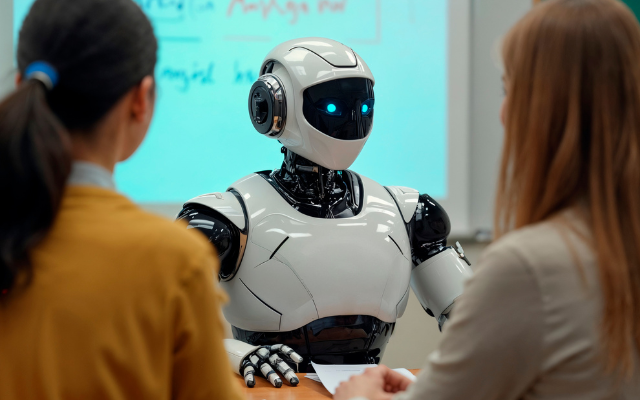
Students usually see the lesson. They rarely see the planning, the rewriting, the reading notes, the quiz prep, the worksheet changes, and the long stretch of feedback that follows.
Teachers also deal with one class where some students move fast and others need the topic explained three different ways.
AI can help with part of that load, especially when someone needs a rough draft, a cleaner summary, or extra practice material before the next day begins. Students pursuing an artificial intelligence course in Kolkata are also learning how these tools can support modern teaching methods and improve classroom efficiency.
The teacher still shapes the real version with judgment and care. That is why colleges are starting to think more seriously about an AI education partnership for colleges, especially when they want useful tools that support teaching without making the classroom feel mechanical.
Career-focused education now needs AI exposure

Students are walking into jobs where AI already shows up in drafts, search work, code support, design tasks, data files, customer replies, and planning sheets.
A graduate who has used these tools in a project can speak about them with more ease during interviews, especially when they understand the top AI skills to learn for today’s changing job market.
Future-ready tech career training should give students time to try AI on actual tasks, rather than leaving it as a topic in class notes.
One small build, one useful workflow, or one basic automation can make the idea stick. Employers often remember the learner who can say what was built, what improved, and what still needed judgment.
Final Thoughts
The change in education feels real because it is already part of daily routines. Students use AI while revising, teachers use it while preparing, and colleges are starting to connect learning more closely with what work now asks for.
Our work follows the same line of thought, since guided practice, hands-on projects, and visible progress matter a great deal in this kind of shift. This approach also helps learners understand how to start a career in AI through practical exposure and real-world application.
For anyone trying to move with it, the first move can stay quite grounded: use AI where it helps, keep judgment human, and shape learning around work that can stand up to discussion.
Let’s Connect with us
Category
Recommended Blogs
These AI Tools Are Quietly Becoming Every Student’s Secret Weapon in 2026
How Students Are Using AI Tools for Smarter Learning and Projects College life in 2026 has a different texture to it. Notes stack up faster, deadlines arrive in clusters, and one weak topic can spill into three other subjects before the week ends. Students have started building small support systems around that pressure, and AI […]
Top 10 AI Skills That Hiring Managers Ask For in 2026
AI hiring has become more practical in 2026. Recruiters are digging in; they want to know more about a candidate’s interest in AI and what extra he can bring to the table with a tech-enabled approach. This shift is especially visible among learners coming from an artificial intelligence course in Kolkata, where practical exposure is […]